Blog

Demystifying 802.3bt PoE++: Switch ASIC vs. PoE Controller – What Really Dictates 60W and 90W Power Delivery?

In the world of professional broadcasting (Pro-AV) and rugged outdoor surveillance, power is everything. As devices like 4K/8K PTZ cameras, remote digital signage, and extreme-weather thermal cameras evolve, standard PoE+ (30W) no longer cuts it. Enter IEEE 802.3bt (PoE++). However, when system integrators and procurement managers source industrial switches or media converters, they often face […]
Demystifying 802.3bt PoE++: Switch ASIC vs. PoE Controller – What Really Dictates 60W and 90W Power Delivery? Read More »

Tired of Buying Extra 12V/24V to 48V Converters for Industrial PoE Switches? Let’s Fix That.

If you are a system integrator or automation engineer working on maritime, solar-powered, or vehicular projects, you know this headache all too well. Your system runs on a standard 12V or 24V DC power supply. But the moment you need to deploy an IP camera or a wireless access point, you are slapped with the

Tired of Buying Extra 12V/24V to 48V Converters for Industrial PoE Switches? Let’s Fix That. Read More »

How to Extend Your Network and Power Remote Devices Seamlessly: The Gigabit PoE Media Converter Solution

Introduction In modern network deployments—whether for smart city surveillance, enterprise campuses, or industrial automation—network engineers constantly face two major bottlenecks: the 100-meter distance limit of standard copper cabling, and the lack of power outlets at remote terminal locations. How do you connect a high-definition IP security camera or a wireless access point located kilometers away

How to Extend Your Network and Power Remote Devices Seamlessly: The Gigabit PoE Media Converter Solution Read More »

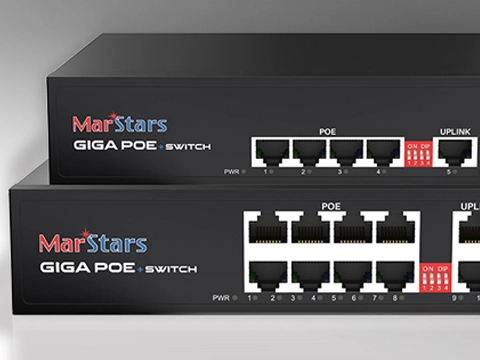
marstars poe switch

PoE vs PoE+ vs PoE++ Switch: Key Differences & How to Choose

Power over Ethernet (PoE) is a technology that allows network devices to be powered over the same Ethernet cable that carries data. This eliminates the need for separate power cables and power sources, simplifying installations and reducing cable clutter. There are three main PoE standards: •PoE (802.3af):This is the original PoE standard and provides up

PoE vs PoE+ vs PoE++ Switch: Key Differences & How to Choose Read More »

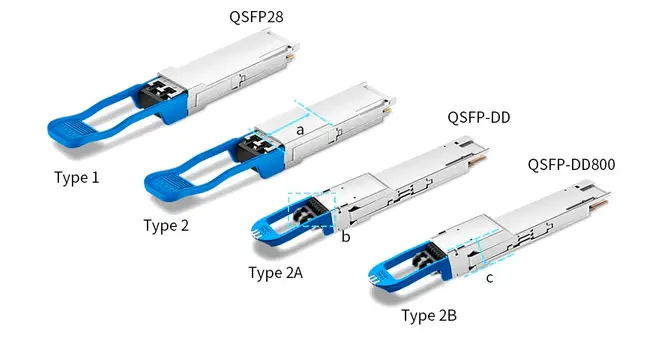
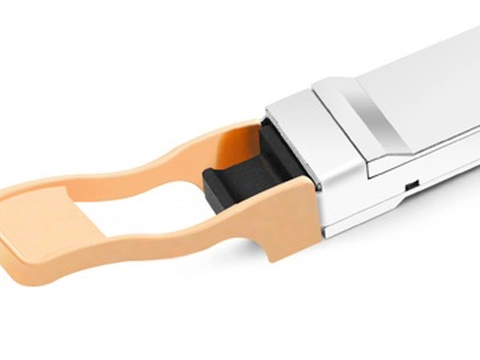
Marstars 100G QSFP28 vs 400G QSFP-DD: Choosing the Next-Gen Transceiver

100G QSFP28 vs 400G QSFP-DD: Choosing the Next-Gen Transceiver

As data center bandwidth demands grow exponentially, choosing the right high-speed transceiver is critical. Here is a comparison of two dominant form factors: QSFP28 (Quad SFP28): Used for 100G Ethernet, 4 channels of 25Gbps each. Widely deployed in current-generation data centers. Power consumption around 3.5W per modul. QSFP-DD (Quad SFP Double Density): Used for 400G

100G QSFP28 vs 400G QSFP-DD: Choosing the Next-Gen Transceiver Read More »

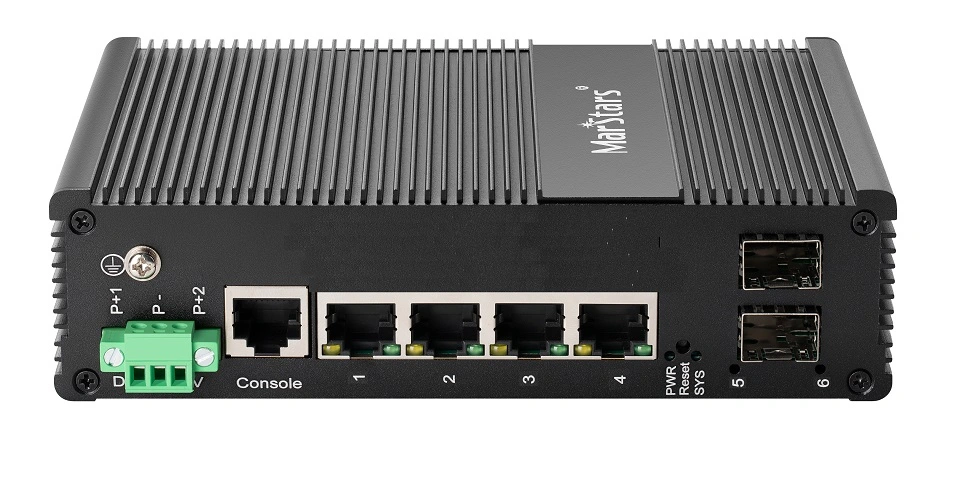
MarStars Industrial Switch vs Commercial Switch

Industrial Switch vs Commercial Switch: Key Differences and Selection Guide

Choosing between an industrial switch and a commercial (office-grade) switch depends on your deployment environment. Here are the key differences: Operating Temperature: Industrial switches work from -40C to 85C; commercial switches typically 0C to 40C.Mounting: Industrial switches use DIN rail mounting for cabinets; commercial switches use rack or desk mount.Power Input: Industrial switches support redundant

Industrial Switch vs Commercial Switch: Key Differences and Selection Guide Read More »

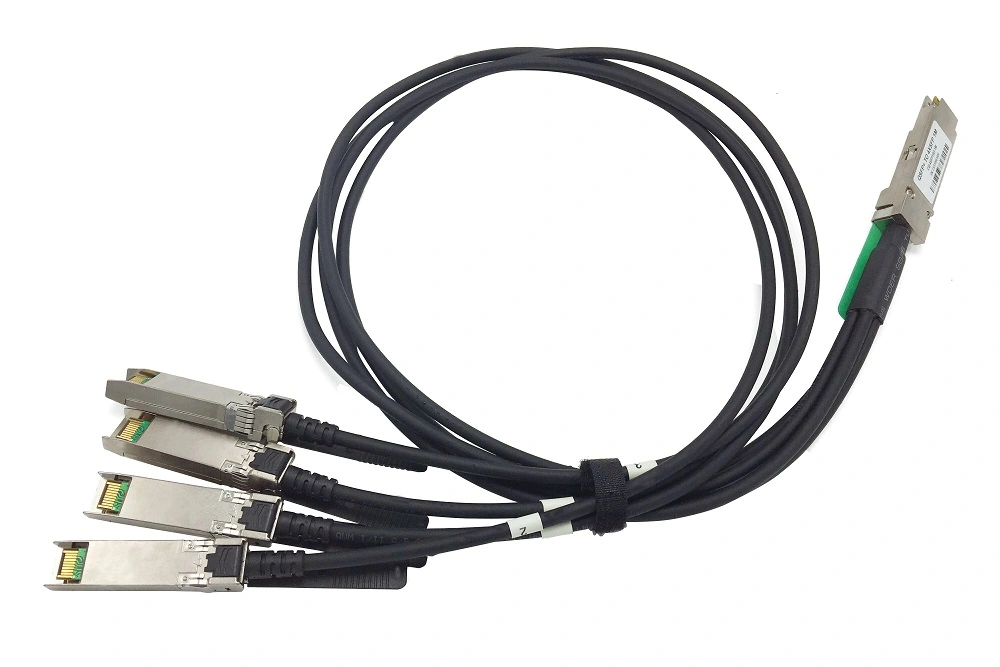
MarStars DAC and AOC Cables: Data Center Connectivity Comparison

DAC vs AOC Cables: Data Center Connectivity Comparison

DAC (Direct Attach Copper) and AOC (Active Optical Cable) are two popular connectivity solutions for data center top-of-rack switching. DAC Cables: Copper cable with transceivers permanently attached at both ends. Cost-effective for short distances (up to 7m). Passive design requires no power. Avai. AOC Cables: Optical cable with embedded transceivers. Supports longer distances (up to

DAC vs AOC Cables: Data Center Connectivity Comparison Read More »